

Signs & symptoms
Rust Stains on Basement Walls and Floors
Rust stains on basement walls or floor might seem harmless at first, just a few orange streaks near a drain or a faint outline around a metal post.
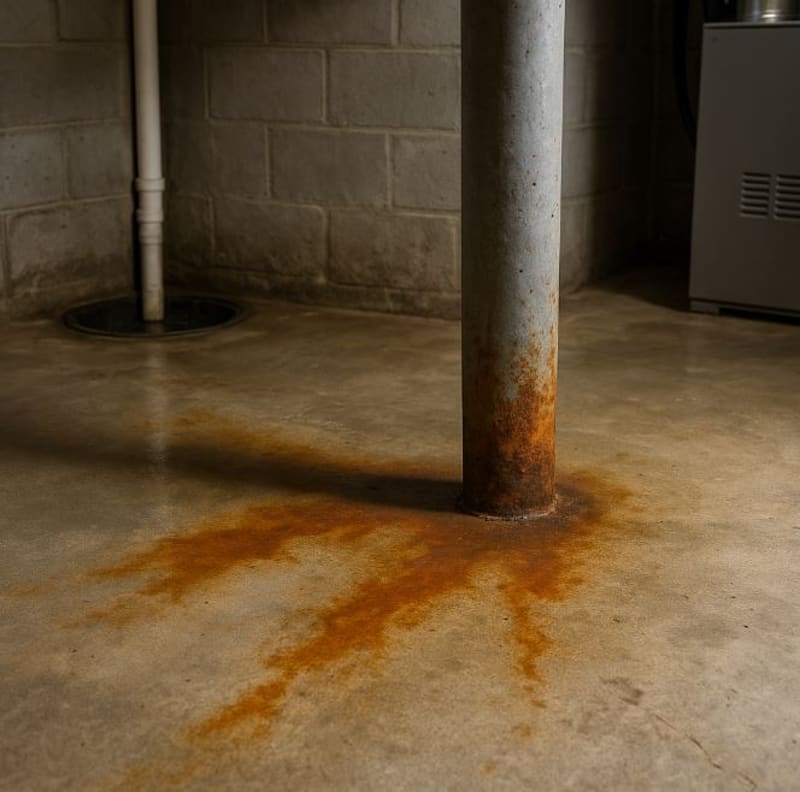
What Rust Stains on Basement Walls for Floors Mean
Rust stains on basement walls or floor might seem harmless at first, just a few orange streaks near a drain or a faint outline around a metal post. But in our Iowa service area homes, these marks are often an early sign of moisture intrusion and foundation risk.
If you’re seeing rust stains on basement walls, concrete floors, or around steel support posts, it usually means one thing: water is getting in. That moisture may be seeping through cracks, condensing on cold surfaces, or rising from the soil below. Over time, it can corrode metal, weaken concrete, and damage your home’s structural integrity.
At Anchored Walls, we’ve seen how small warning signs can point to much bigger problems. Rust doesn’t appear without a reason, and when it shows up below ground level, it’s often trying to tell you that your foundation needs attention.
Signs Your Foundation May Be at Risk
Rust may start as a surface stain, but it often points to deeper issues with your foundation. Moisture intrusion can weaken metal components, corrode rebar, and accelerate the deterioration of concrete walls and support structures. If the problem is ignored, it can lead to costly repairs or even structural instability.Here are a few signs that rust in your basement could be a symptom of a larger foundation issue:Even if these signs seem minor now, they often signal movement, stress, or hidden moisture that will continue to worsen over time.
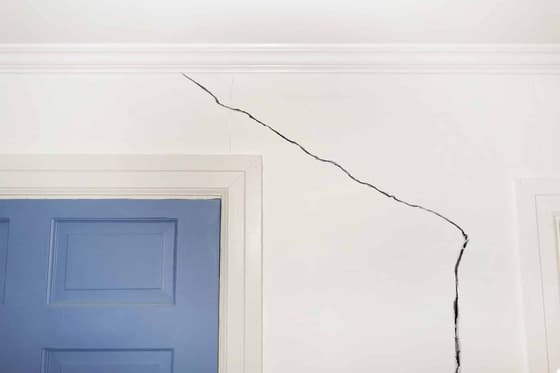
Cracks in your foundation walls
Rust near cracks may indicate that water is not only getting in, but also reaching the steel reinforcement inside the concrete.
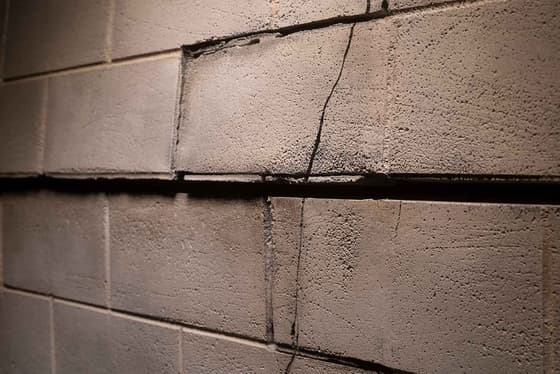
Bowing or leaning walls
Pressure from saturated soil can cause walls to shift inward. Rust may appear where water and metal interact near stressed areas.
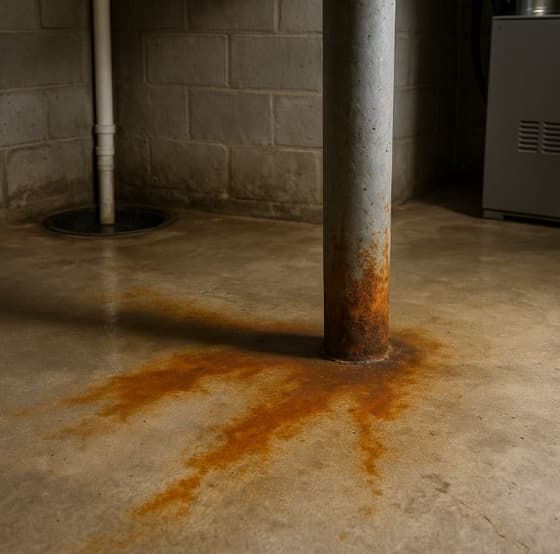
Corroded support posts or framing hardware
If metal in your basement is rusting, the integrity of those components may already be compromised.
Persistent dampness or musty odors
Rust forms in damp conditions. If humidity or water is a constant presence, mold and decay may not be far behind.
Google reviews
What homeowners say.
4.9 / 5 from 286 Google reviews.
★★★★★ Google
After getting bids and talking with a few different contractors regarding what we needed for waterproofing our basement, I was feeling pretty overwhelmed, anxious and stressed out. Elliott...Read full review
After getting bids and talking with a few different contractors regarding what we needed for waterproofing our basement, I was feeling pretty overwhelmed, anxious and stressed out. Elliott was a breath of fresh air. He's a very nice, respectful guy. He is very knowledgeable and was easy to talk to. After speaking with him, I felt more at ease and less anxious about the whole process. Because of Elliott, we plan to move forward with Anchored Walls for our basement waterproofing.
ME
★★★★★ Google
Anchored Walls techs, Zach and Kyle, came ready to work!!! They added 9 anchors to 2 of my basement walls to stabilize them. Those 2 men worked hard! I have attached 2 pictures, the...Read full review
Anchored Walls techs, Zach and Kyle, came ready to work!!! They added 9 anchors to 2 of my basement walls to stabilize them. Those 2 men worked hard! I have attached 2 pictures, the first shows shovels over the holes so no one would fall in, and the finished yard. You cannot tell where the holes had been. Both men also added waterproofing to my basement floor. If Zach and Kyle are an example of what to expect when you hire Anchored Walls, then the company gets 5 stars from me. Great work Zach and Kyle !!! * * * * *
MH
★★★★★ Google
I bought an old townhouse and found leakage into the basement under a window well. I had Anchored Walls come out to inspect. Roger diagnosed the problem as 30-yr buildup of silt preventing...Read full review
I bought an old townhouse and found leakage into the basement under a window well. I had Anchored Walls come out to inspect. Roger diagnosed the problem as 30-yr buildup of silt preventing water from draining down to the tile. He recommended excavation and rebuild with clean pea gravel fill. A 2-man crew accomplished that in half a day. I withheld submitting a review for 2 months until I could see if it fixed the problem. Over the July 4th weekend we got 9 inches of rain. The basement was bone dry. So I was pleased and impressed. The guys from Anchored Walls are experienced and know what they are doing. FIVE STARS!
BD
★★★★★ Google
From the project manager through all the folks working this huge mess, I am so thankful for the job that was completed. Kyle and team put up with all my questions and dealt with temporary...Read full review
From the project manager through all the folks working this huge mess, I am so thankful for the job that was completed. Kyle and team put up with all my questions and dealt with temporary fencing for my dogs. Always rrspectful and polite. I can't rate them or Anchored Walls high enough! Also Deb in the office keeping me updated and answering more questions. Lucas and Carson putting in the sump pump. If you have basement issues, definitely call this company!!
KL
★★★★★ Google
Anchored Walls of Winterset stabilized our Basement walls, leveled our driveway, and found an incredible and invisible solution to our 25 year sump pump drain exit. Matt Clayton was...Read full review
Anchored Walls of Winterset stabilized our Basement walls, leveled our driveway, and found an incredible and invisible solution to our 25 year sump pump drain exit. Matt Clayton was consistently kind and patient. He nailed our estimate and was Readily available for questions before, during, and after the project. Debbie was quick, responsive, and friendly to give us speedy and accurate answers to many questions. Finally, Brad was the man who finally solved our 25 year sump pump problem. He was super respectful with my wife, and somehow installed 30 foot of PVC into our yard, leaving zero evidence. You're work is amazing and we are more thankful for you than we can express! All this to say, we strongly recommend and refer Anchored Walls of Winterset. Great job and God bless you for your Efforts.
DT
What Causes Rust Stains in the Basement?
Rust forms when metal is exposed to moisture and oxygen over time. In a basement, that moisture doesn’t always show up as standing water. It can come from high humidity, soil moisture pushing through foundation walls, or condensation on cold surfaces.
In our Iowa service area, seasonal changes and expansive clay soils make moisture problems more common. When water collects around the foundation, it finds its way in through cracks, porous concrete, or hidden gaps. Once that moisture meets exposed metal, rust begins to form.
Depending on where the stains appear, they may point to different types of foundation issues:
- Rust on steel support posts or framing brackets may mean your basement has high humidity or condensation buildup.
- Orange streaks along foundation walls could signal ongoing seepage or pressure from saturated soil.
- Discoloration near cracks or joints might be early evidence of water reaching embedded rebar inside the concrete.
Rust is persistent. It builds slowly, often going unnoticed until the conditions that caused it have already been present for months.
Is It Rust or Iron Ochre?
Not all orange stains in a basement are rust. In some homes, especially those with high water tables or persistent seepage, the culprit might be iron ochre, a thick, reddish sludge caused by naturally occurring iron bacteria in the soil.
Iron ochre forms when iron-rich groundwater interacts with oxygen and organic material. The result is a jelly-like buildup that often collects in sump pits, interior drain lines, or along the base of foundation walls. It can stain concrete, clog drainage systems, and produce a strong, musty odor.
While iron ochre isn’t harmful to people, it’s a sign that water is actively entering your basement. Just like rust, it signals an ongoing moisture problem that needs to be addressed.
If you're unsure whether you're seeing rust or iron ochre, a professional inspection can tell you what’s going on and where the moisture is coming from.
Why Rust Stains Shouldn’t Be Ignored
Rust in a basement isn’t just a cosmetic issue. It’s a warning sign that moisture is reaching places it shouldn’t, and it’s often the first visible clue that your foundation may be vulnerable.
Here’s why rust should never be overlooked:
Repair options for your home.
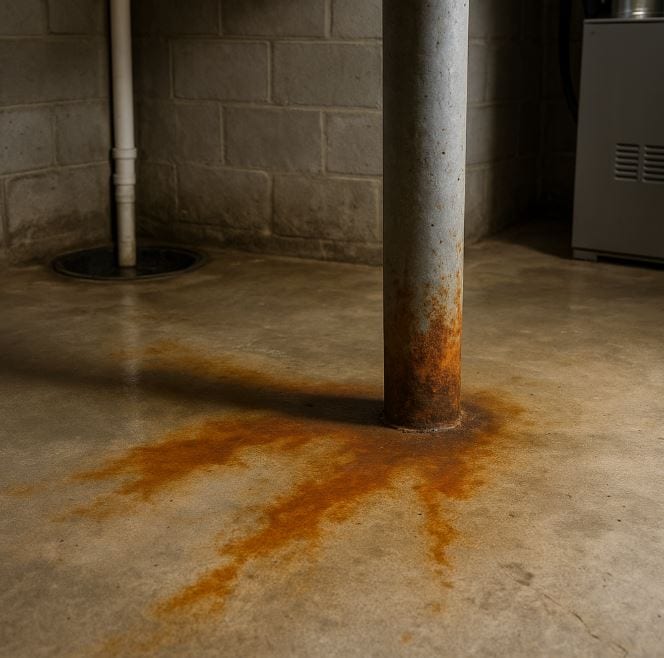
It signals possible structural concerns. If rust is forming on steel posts, wall anchors, or reinforcement bars within concrete, those components may be weakening. As metal corrodes, it loses strength. If the rust is affecting parts of your foundation system, it can reduce long-term stability and increase the risk of movement or failure.
It often gets worse with time. Rust is progressive. The longer moisture remains, the deeper the corrosion can go, spreading through surfaces, staining concrete, and eating away at vital supports. What starts as a small stain can lead to cracked walls, shifting structures, and expensive repairs.
How Anchored Walls Can Help
At Anchored Walls, we understand that rust in a basement is rarely just about surface stains. It’s often a symptom of deeper moisture problems or early signs of structural stress, and those problems don’t go away on their own.
With more than 40 years of experience in our Iowa service area, our team specializes in identifying where water is getting in, how it’s affecting your foundation, and what needs to be done to stop it. Whether you’re dealing with rust on support posts, bowing walls, or foundation cracks, we’ll help you find the cause and fix it the right way.
Our solutions include:
- Foundation wall bracing systems to stabilize and straighten shifting walls
- Interior drainage and sump pump installations to keep water away from foundation components
- Foundation crack repair and sealing to block water intrusion
- Moisture control and basement waterproofing systems are designed for local soil conditions
We don’t just patch problems. We protect your home from further damage and restore lasting peace of mind.
Get a Free Foundation Inspection
If you’ve noticed rust stains in your basement or you’re not sure what those marks mean, it’s time to take a closer look. Rust is often the first visible sign of moisture reaching your foundation, and addressing it early can help prevent major damage down the line.
Anchored Walls has been serving homeowners across our Iowa service area for more than 40 years. We offer free foundation inspections, honest answers, and customized solutions to keep your home protected.
Schedule your inspection today and let one of our local foundation repair specialists evaluate your basement, identify any hidden risks, and recommend the best path forward.
Experienced hands. A clear plan.
Helping Iowa homeowners since 1978.
A repair plan built around your home.
Start with a free inspection. We explain what we find and put the recommended work in writing, so you can make an informed decision.
★★★★★Google review
“Gabe & Taxson did a wonderful job of waterproofing our basement. They worked so hard chiseling concrete, carrying it up the stairs in buckets, then carrying rock and replacement cement down the stairs to fill in the dug up places, but most of all, they cleaned up the mess! Kip McMillen from United Services…”

Marjorie M.Verified Google review · Winterset, IA · Sep 2025
Lifetime transferable warranty
Protection that stays with the home, including when ownership changes. See the written warranty for covered work.
Money-back guarantee
Your money is never at risk. We stand behind our work with a written money-back guarantee.
Five-star service guarantee
A clear plan, respectful crews, and a commitment to the experience as well as the repair.
Frequently Asked Questions
How do I know if my crawl space needs repair?
Look for signs like sagging subflooring, musty smells, mold growth, high humidity, standing water, or visible rot on floor joists and beams. These often show up first in closets or laundry rooms above the crawl space. All of these issues point to possible structural or moisture problems below.
Why is there mold in my crawl space?
Mold is a result of excessive moisture in the crawl space of your home. It’s very important that you take care of a moldy crawl space problem as soon as you notice that something is wrong. If left untreated, mold can cause a number of problems for the structural integrity of your home, as well as your family’s health. If you don’t repair your foundation, water will eventually seep in. This causes an assortment of additional problems for the structural integrity of your home.
What causes crawl space moisture?
Crawl space moisture comes from water seepage, improper yard drainage systems, soil settlement and condensation. Regardless of whether your crawl space is dirt, concrete, vented or unconditioned, these lower areas underneath the home tend to endure the most damage due to the many changes in weather conditions, high temperatures and humidity levels. Humidity and moisture easily travel through your crawl space and can begin to infiltrate the structure of your home.Damp or wet crawl spaces are perfect homes for insects, rodents and other critters. This area underneath your home can be extremely unhealthy, destructive and dangerous. Your wet crawl space can also act as a breeding ground for mold and mildew growth. Mold spreads easily throughout your home when it begins in your crawl space. Mold, as well as wood rot, can negatively affect your home’s indoor air quality. That’s why it’s important to take care of crawl space moisture problems as soon as you notice them.
Are foundation cracks serious or just cosmetic?
Some small, vertical cracks may be normal settling, but if a crack is widening, leaking water, or forming a stair-step or horizontal pattern, it could signal a structural issue. It’s always best to have cracks professionally evaluated to determine whether repair is needed.
If I don't repair my foundation, what could happen?
If you don’t repair your foundation, water will eventually seep in. This causes an assortment of additional problems for the structural integrity of your home.
Explore basement waterproofing
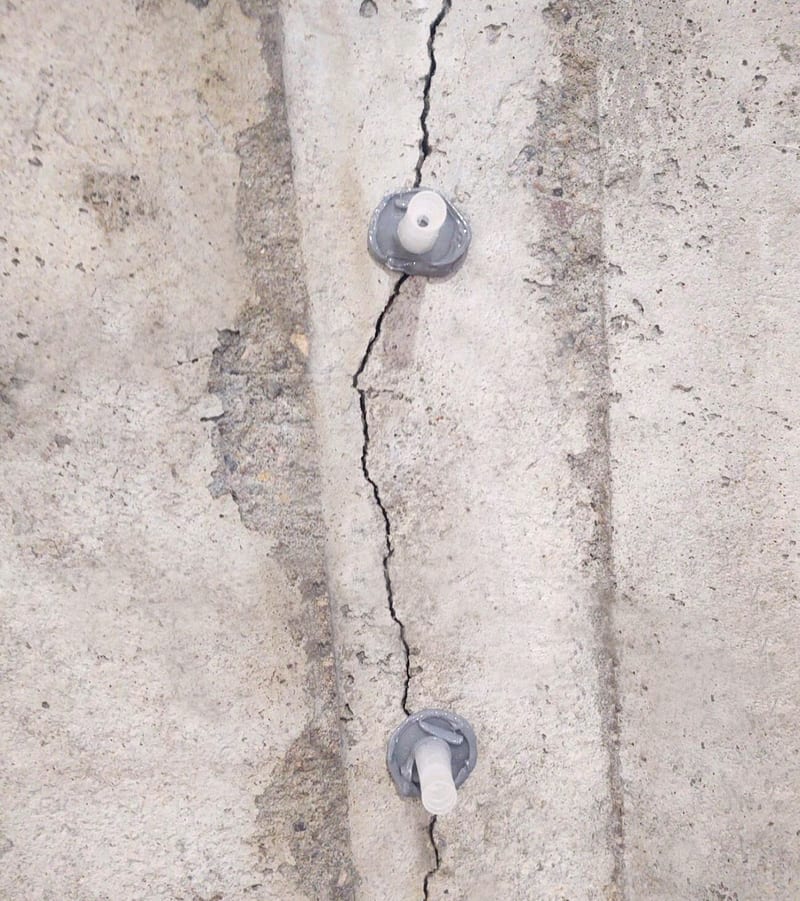
Leaking Crack Repair
At Anchored Walls, we’ve been helping homeowners in Winterset and the surrounding areas protect their homes from basement water for over 40 years.
Explore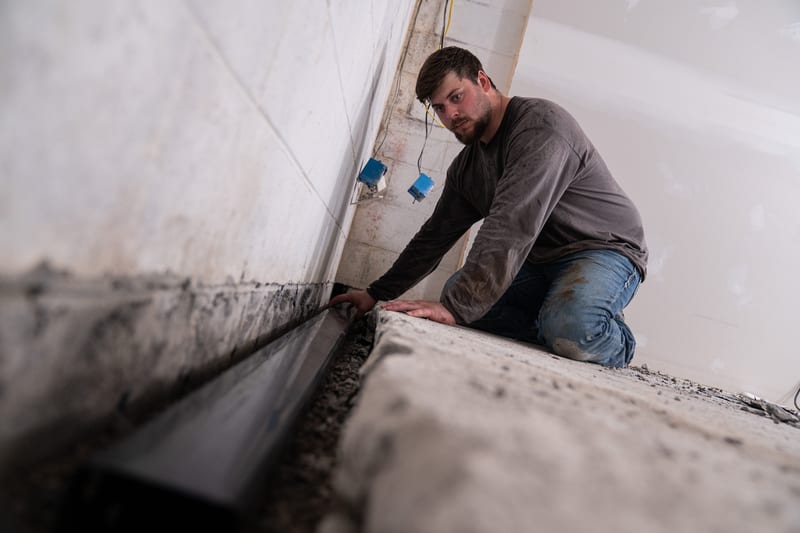
Interior Drain Tile System
At Anchored Walls, we install interior drain tile systems designed to manage groundwater before it ever reaches your basement floor.
Explore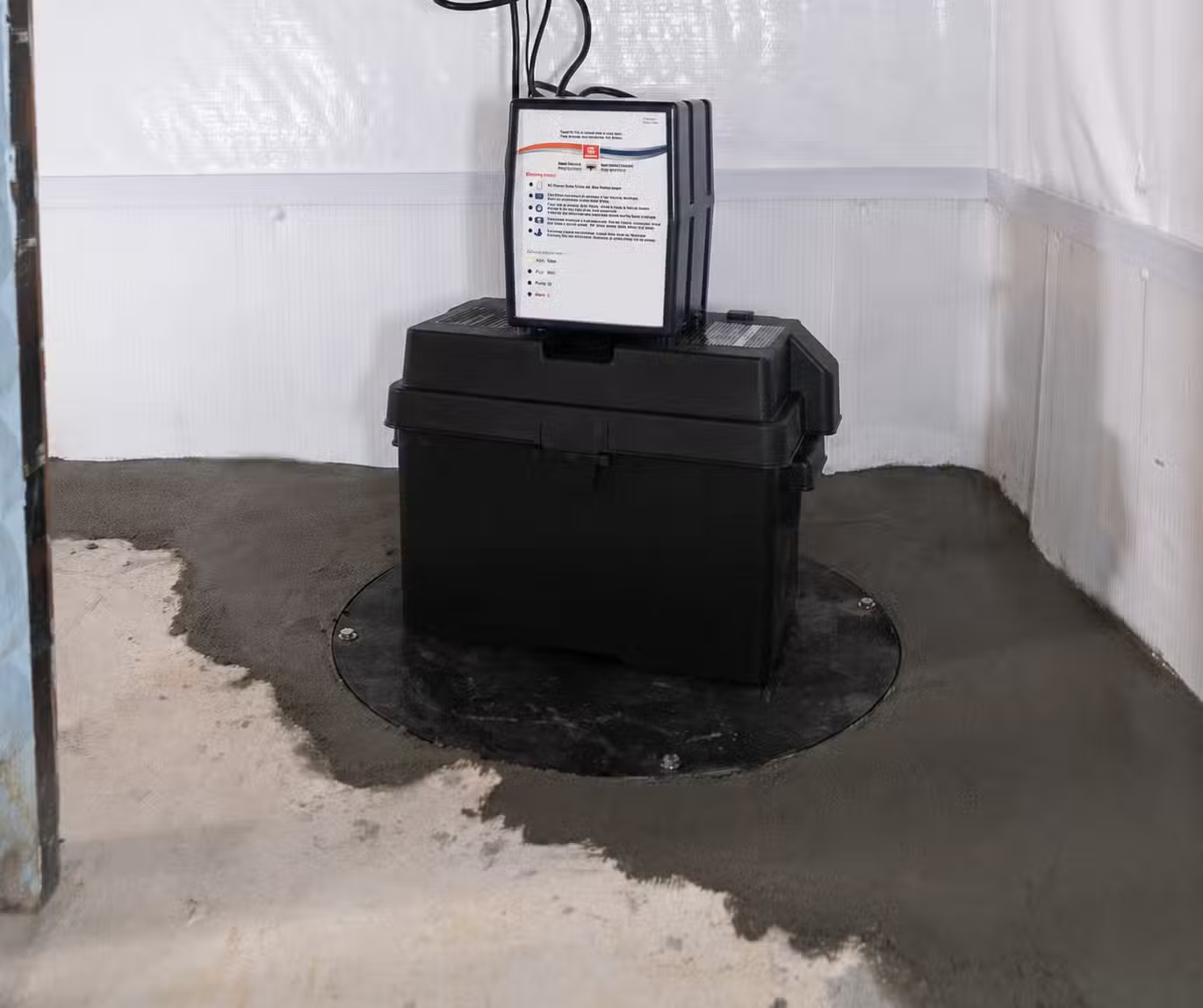
Sump Pump Installation & Replacement in Iowa
Anchored Walls has been in the business of repairing and protecting foundations, basements, crawl spaces, concrete slabs, and sump pump installation services in the Des Moines area for over 40 years.
Explore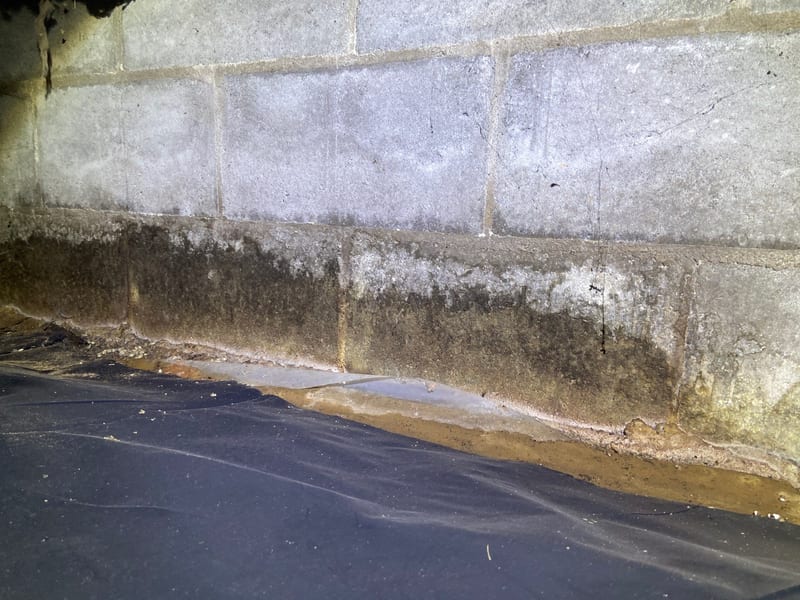
Efflorescence in Basements and Water Stains on Basement Walls and Floors
Efflorescence in basements and water stains are two of the most common warning signs that something is going on behind your basement walls or beneath your slab.
ExploreA local team for your Iowa home.
From our Winterset location, we serve Des Moines, Ankeny, Waukee, Johnston, Urbandale, Clive, Ames, and surrounding communities. Check your ZIP for service at your address.
Highlighted counties contain service ZIP codes. Coverage varies within each county; check your ZIP and confirm your address when scheduling.