Featured guide
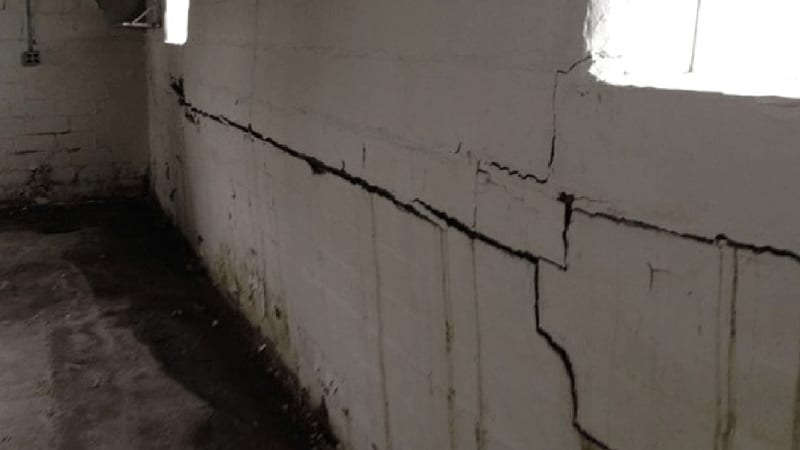
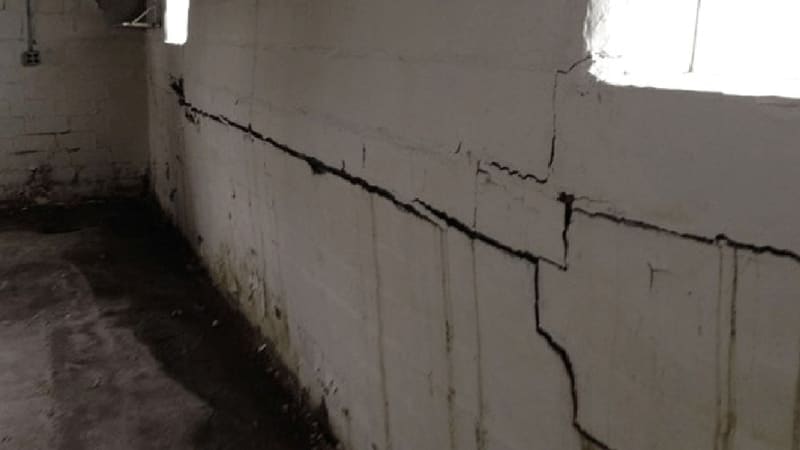
Common Questions About Bowing Basement Walls
If you've noticed a wall in your basement doesn't look quite straight anymore, it's natural to wonder how serious that actually is.
Read the guide
Serving Des Moines, Ames
& nearby Iowa communities.
Practical guides to foundations, basements, and the repairs that keep your Iowa home working.
If you've noticed a wall in your basement doesn't look quite straight anymore, it's natural to wonder how serious that actually is.
Read the guideFind answers for the space you’re thinking about.
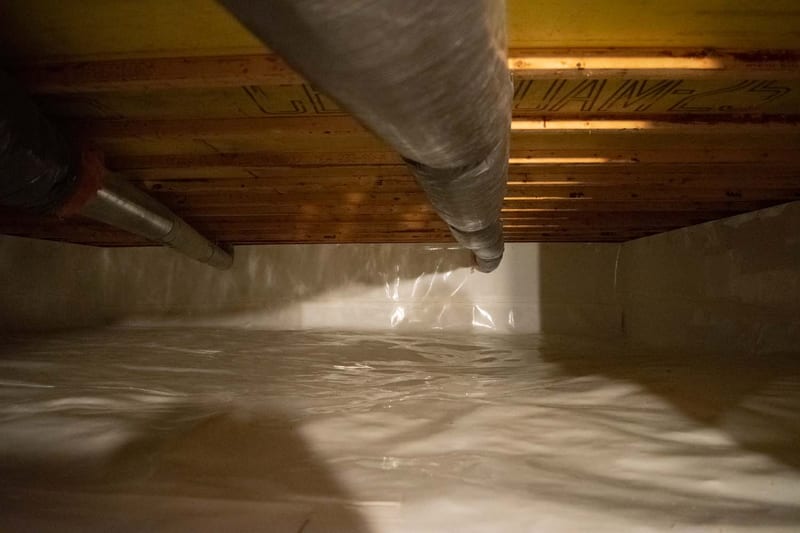
Crawl space encapsulation vs vapor barrier: learn the key differences, costs, benefits, and signs your Iowa home needs one or the other.
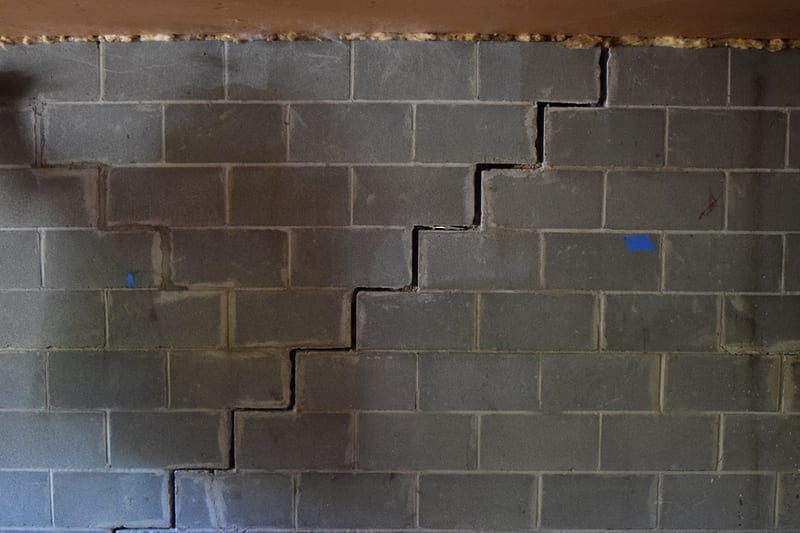
Read articleA bowing basement wall raises a lot of questions fast. Here's what actually causes it, how to tell it apart from other foundation issues, and how Anchored Walls repairs it for homeowners across Iowa.
Read articleAnchored Walls is proud to sponsor the 2026 Winterset Little League Huskies and support the local community on and off the field.
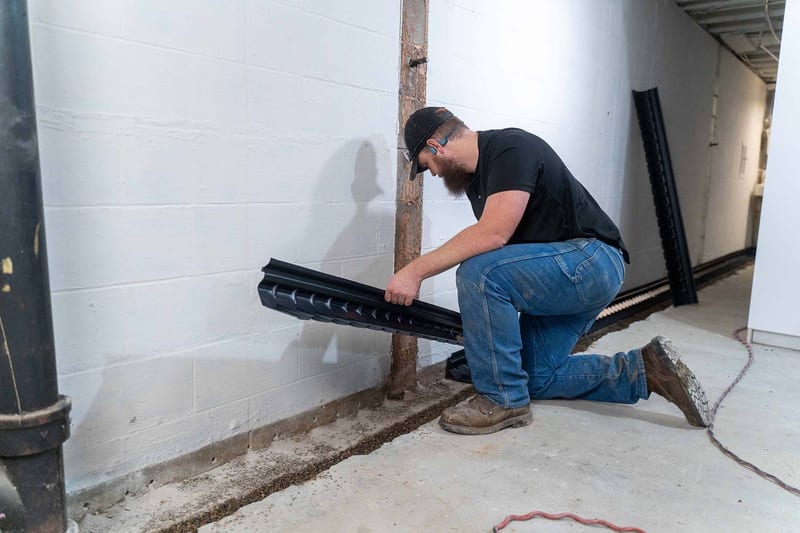
Read articleChoosing the right basement waterproofing system starts with understanding how and where water is entering your home. Learn about the most effective solutions for Des Moines homeowners and why Anchored Walls has been the trusted choice in Iowa since 1978.
Read articleIowa's clay-heavy soil absorbs water all winter, freezes, expands, and thaws into a saturated mass pressing against your foundation walls. By spring, that accumulated pressure shows up as cracks, bowing, and gaps that weren't there in the fall.
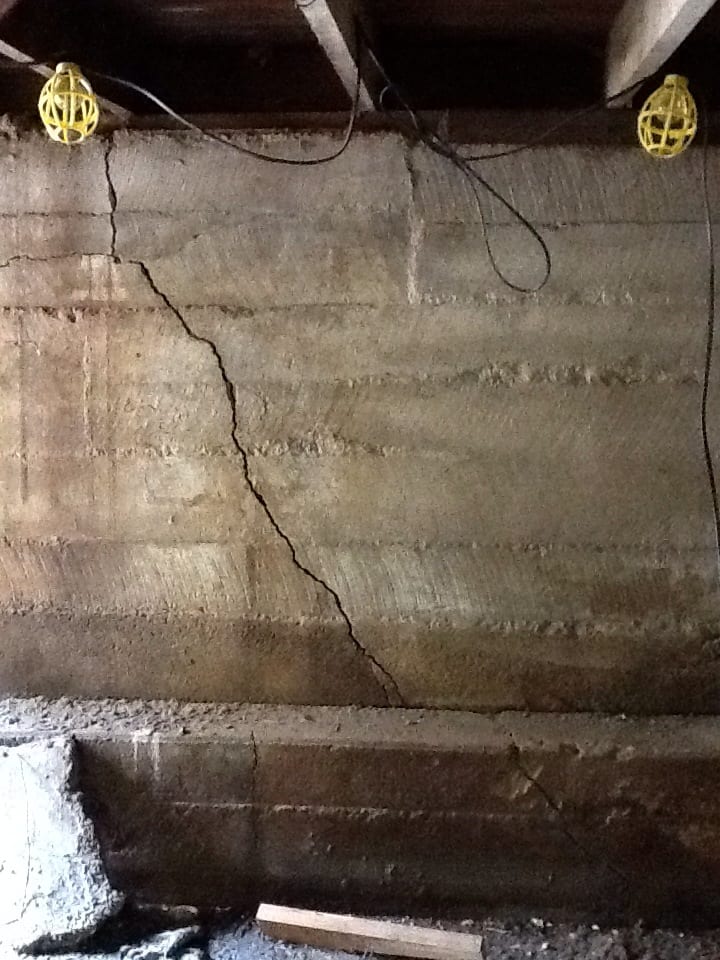
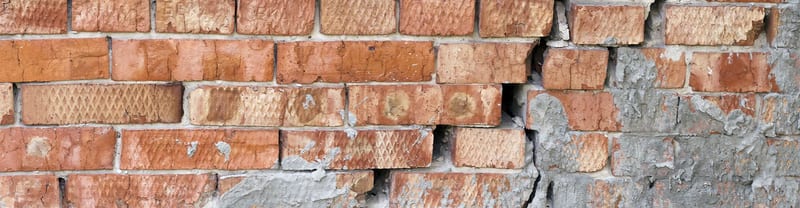
Read articleBasement walls are under constant pressure from the soil outside, and that pressure doesn't let up. When the wall starts to lose the fight, it shows up in specific ways: cracks in patterns that mean something, walls that have shifted off plumb, gaps that weren't there before.
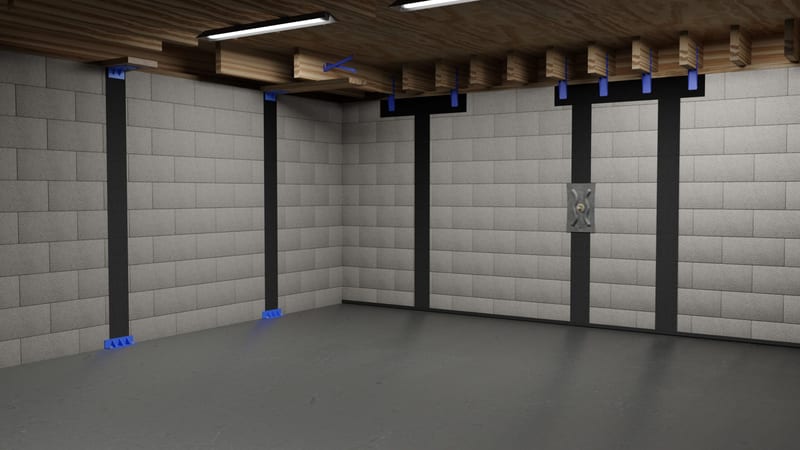
Read articleWhen a basement wall starts bowing, two solutions come up more than any other: wall anchors and carbon fiber straps. Both stop movement, but they work differently and suit different situations. Understanding the distinction won't replace an inspection, but it will help you ask better questions when a specialist arrives.
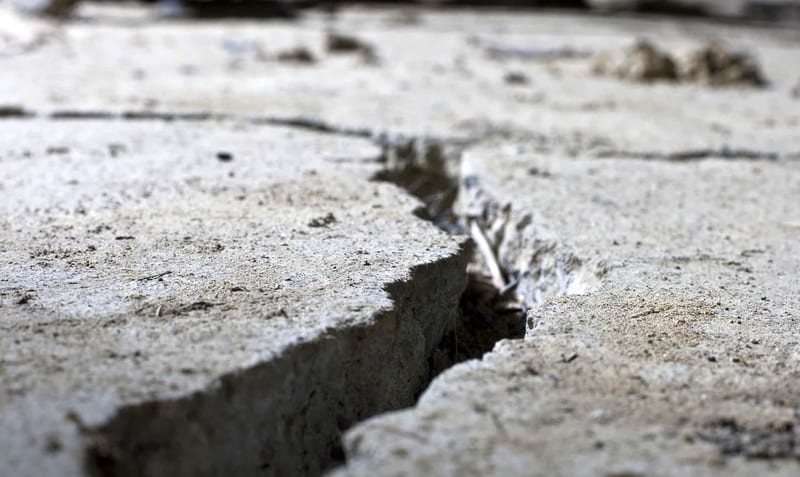
Read articleConcrete slabs don't settle all at once. The signs show up gradually: an uneven driveway edge, a crack that's wider than last year, a patio corner that's dropped. Here's what to look for and what to do about it.
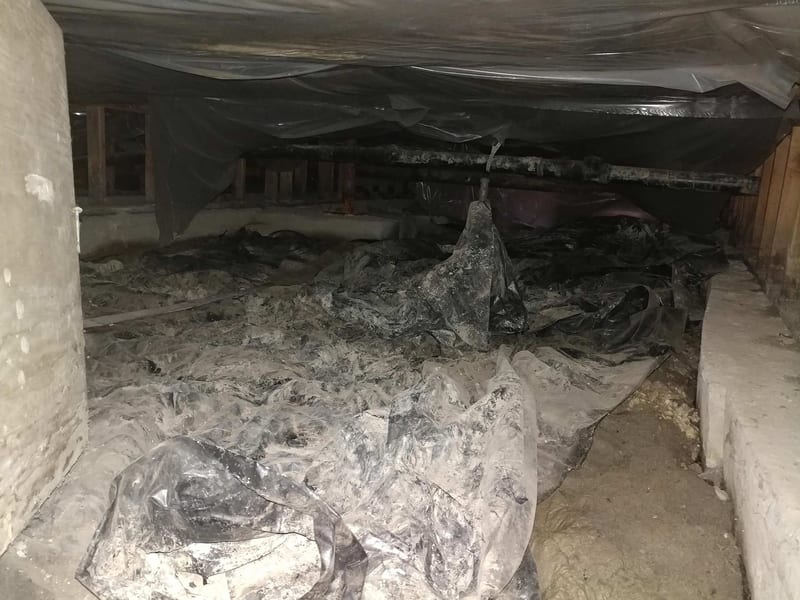
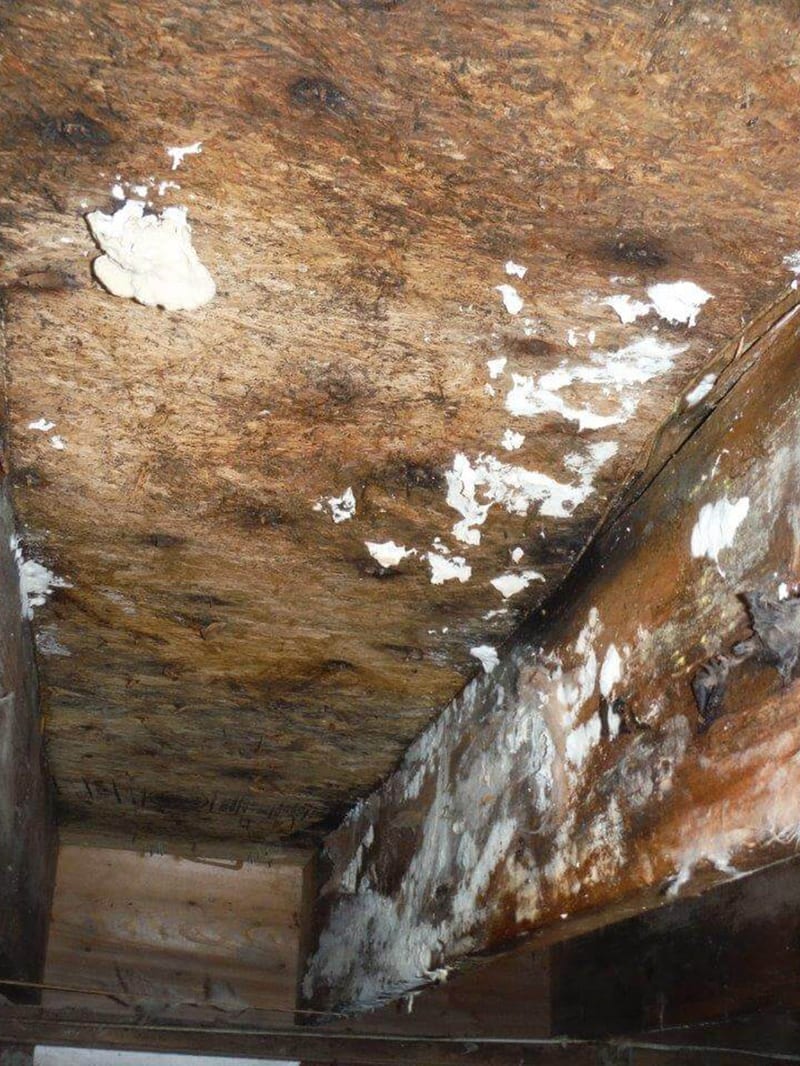
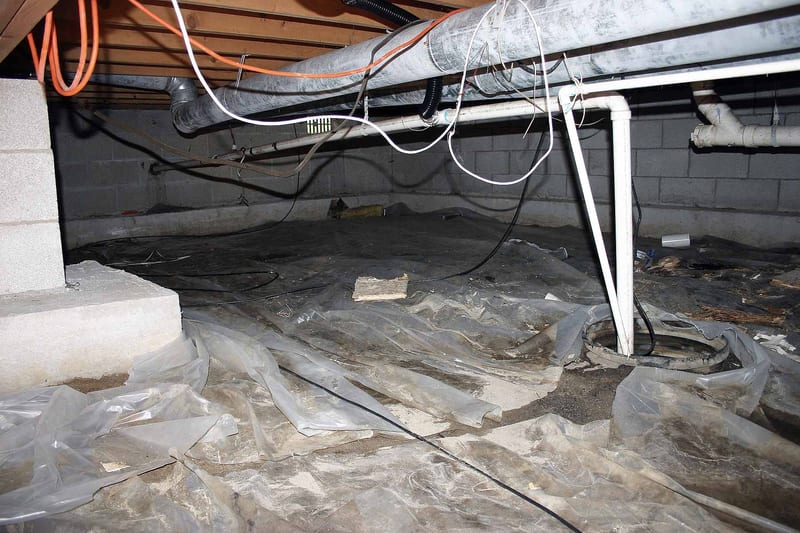
Read articleSpring is when the damage an Iowa winter does to a crawl space becomes readable. Saturated soil, condensation on wood framing, and months of humidity build up in ways that aren't obvious from inside the home. If you haven't had your crawl space inspected recently, now is the time to find out what's underneath.
Read articleIowa winters put concrete through a lot. Freeze-thaw cycles, shifting soil, and frost heave leave driveways and sidewalks sunken, cracked, and uneven by the time spring arrives. Here is what to look for and how to fix it.
Read articleBasement mold often begins with hidden moisture. Musty smells, wall stains, and indoor air discomfort can be early signs of a deeper water issue affecting your foundation and home environment.
Read articleIf the same foundation cracks keep reappearing, it’s probably not just a cosmetic issue. This blog explains why recurring cracks often point to deeper structural problems and how permanent solutions like wall anchors or tiebacks can stop them for good.
Read articleLate summer in Iowa might feel like the tail end of home repair season, but when it comes to foundation cracks, this is one of the most important times to act. With dry soil conditions, fluctuating temperatures, and fall rains on the horizon, now is the ideal window to protect your home from future damage.
Read articleA basement vapor barrier can help control moisture and protect your home. Learn when one is needed and what homeowners should know.
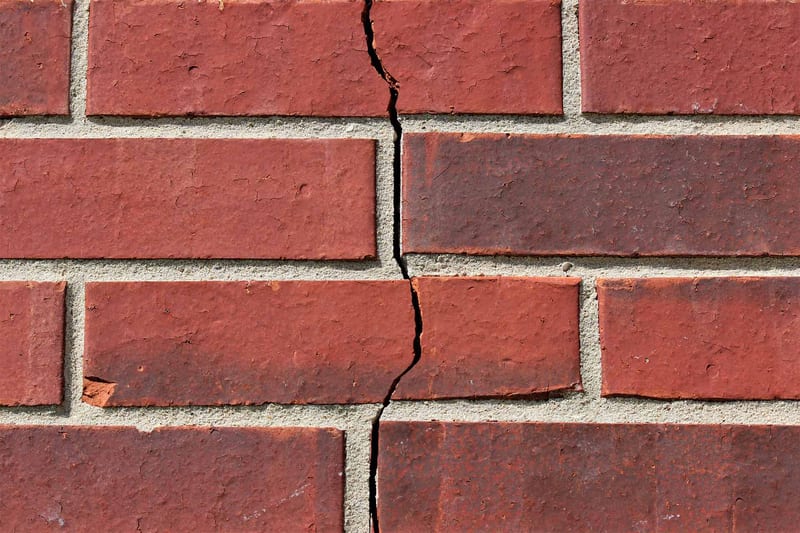
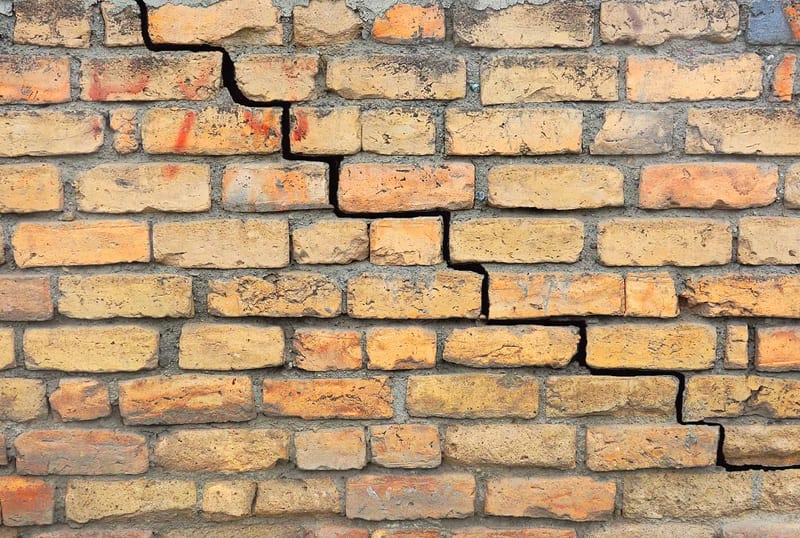
Read articleNot all foundation cracks mean the same thing. Learn what different cracks can reveal and when it is time to call Anchored Walls.
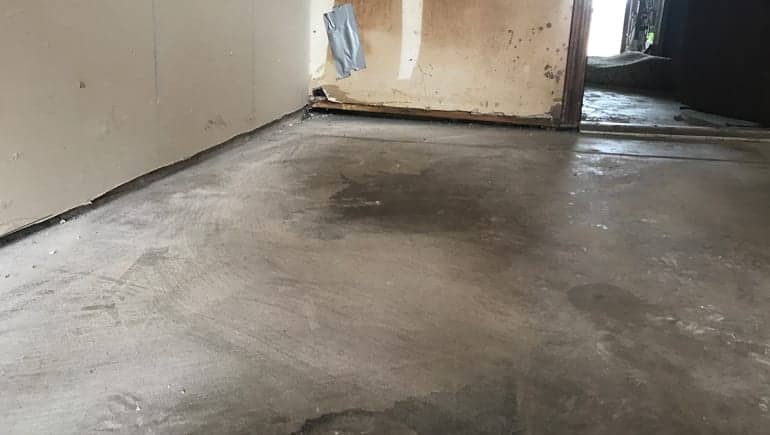
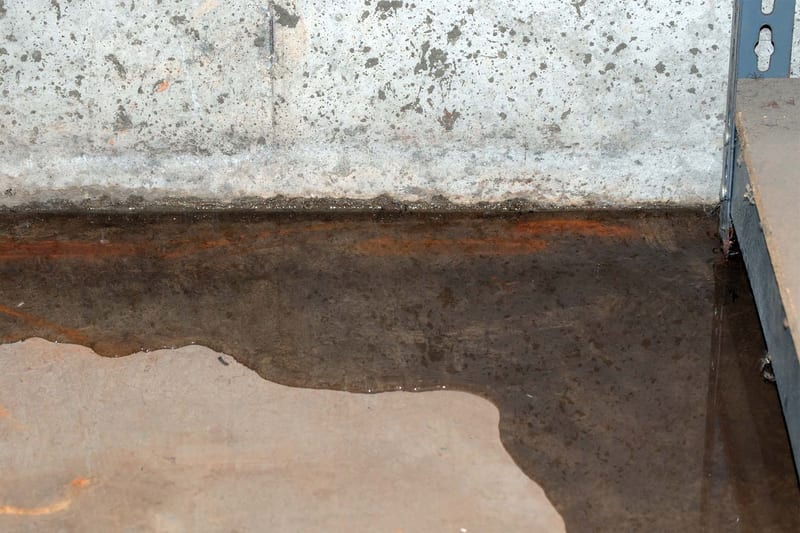
Read articleLearn why water comes through basement floors, what it can mean for your home, and how Anchored Walls helps solve basement water problems.
Read articleA musty crawl space often points to moisture, mold, poor ventilation, or exposed soil. Learn what causes odors and how to fix the source.
Read articleLeaky basements can come from cracks, drainage issues, hydrostatic pressure, or poor waterproofing. Even finished basements can leak.
Read articleTry a different topic or a shorter search, such as “water” or “insulation.”