Crawl Space Encapsulation vs Vapor Barrier: Which Does Your Home Actually Need?
By Brad Parker, General Manager
Anchored Walls
You have moisture in your crawl space, so you lay down a sheet of plastic. Easy, right? For some homes, it really is. But if that familiar musty smell returns or condensation reappears, moisture may be coming in from other places.
After decades of helping Iowa homeowners tackle crawl space and foundation moisture, Anchored Walls understands why the crawl space encapsulation vs vapor barrier decision varies from home to home. So, which option makes sense for yours? Let’s explore the differences between crawl space encapsulation and vapor barriers and figure it out together.
What Is a Vapor Barrier — and What It Actually Does
A vapor barrier is polyethylene sheeting, typically 6 mil thick or more, laid across the dirt to slow moisture from working its way up into your crawl space.
What does that mean once it’s under your house?
Ground Moisture: Covers exposed soil and reduces the amount of ground moisture entering the crawl space.
Walls and Openings: A basic floor barrier leaves other moisture entry points unaddressed, including foundation walls and open vents.
Air Control: Putting plastic on the ground doesn’t suddenly make the crawl space a controlled environment. Outside air can still move through a vented space.
When a Vapor Barrier Is Enough
If ground moisture is the key problem and your crawl space doesn't have a history of condensation or moisture damage, a durable vapor barrier may be enough. Your home’s drainage is doing its job.
Where Vapor Barriers Fall Short
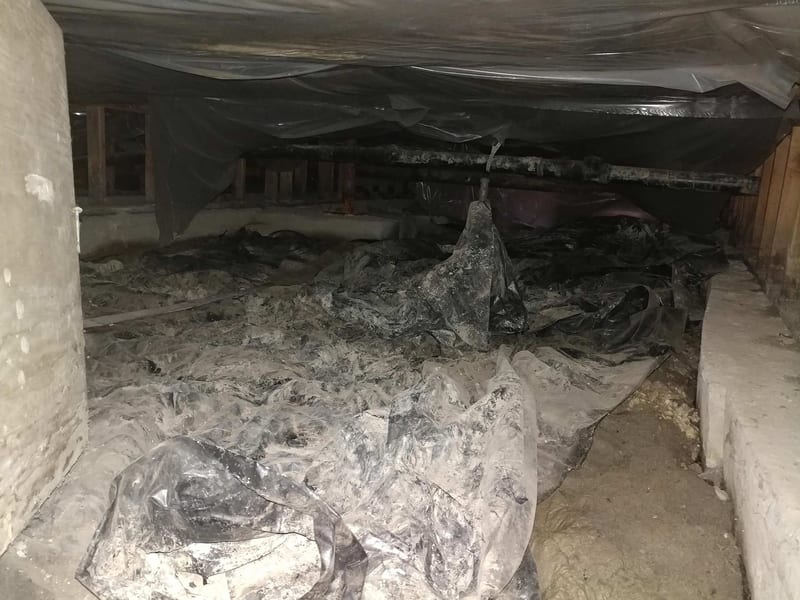
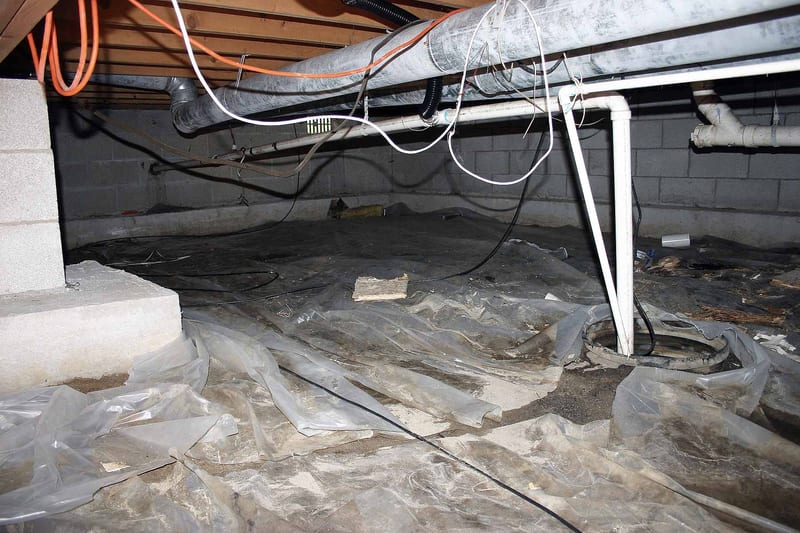
Crawl space gaps, unsealed seams, exposed foundation walls, and open vents let moisture sneak in, especially during Iowa’s humid summer weather. When that warm, humid air reaches cooler pipes or ductwork, condensation can follow. If moisture is coming from beyond the ground, a vapor barrier may only solve part of the problem. That’s when crawl space encapsulation starts to make more sense.
What Is Crawl Space Encapsulation — How It's Different
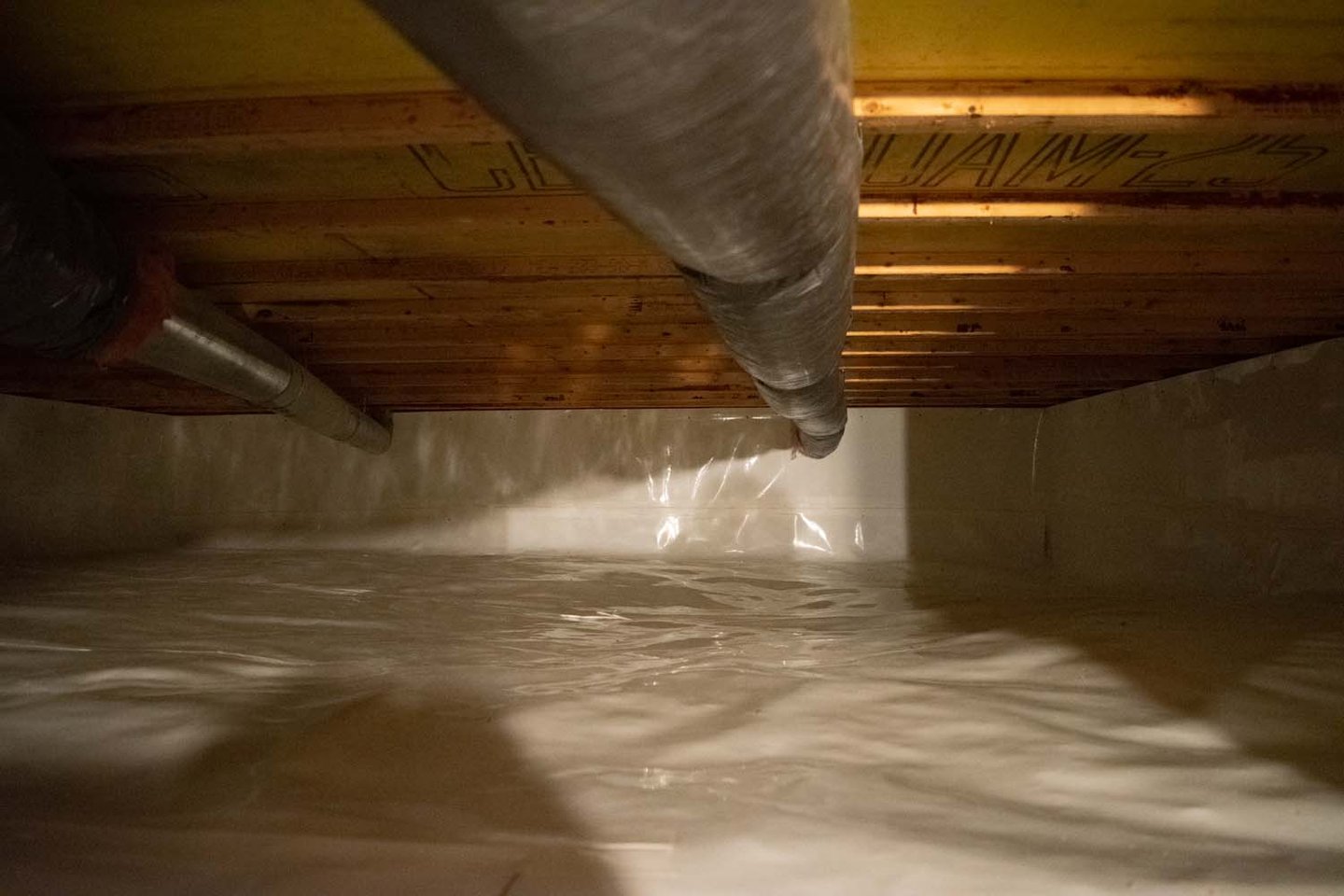
Crawl space encapsulation covers more than just the dirt. It features a liner that runs across the floor and up the foundation walls, sealing off seams and openings from moisture and humid air. Depending on the crawl space, the system may also include drainage, a sump pump, or humidity control.
A typical crawl space encapsulation system includes:
- A durable liner across the crawl space floor and walls
- Sealed seams, vents, gaps, and other openings
- Drainage or humidity-control measures when conditions call for them
The Liner: What "Reinforced" Actually Means
Basic polyethylene works well as a ground vapor barrier, but an encapsulation liner has to handle a tougher environment. It covers more of the crawl space and must withstand regular access without tearing easily.
That’s where reinforced liners come in. Added strength resists punctures and damage, giving the sealed system a more durable surface over time.
Sealing and Conditioning — Why These Steps Make Encapsulation Work
Crawl space encapsulation is especially beneficial during Iowa summers, when humid air entering a cooler crawl space creates condensation. Closing seams, vents, gaps, and other openings minimizes the humid outdoor air entering the crawl space, while a dehumidifier or other conditioning approach may be needed to manage lingering moisture.
Crawl Space Encapsulation vs. Vapor Barrier Cost
General market estimates put vapor barrier replacement around $1,000 to $3,000, while professional encapsulation can run roughly $5,000 to $15,000. The difference in ranges reflects the extra material and labor involved in sealing the space, along with drainage, a sump pump, or humidity control when needed.
If you’re trying to get to the bottom of how much crawl space repair costs in Iowa, schedule a professional inspection to look beyond national averages.
Side-by-Side Comparison — Vapor Barrier vs. Encapsulation
Which Option Is Right for Iowa Homes?
For Iowa homes, the best choice depends on the moisture source. If exposed soil is the main source and the crawl space otherwise stays dry, a vapor barrier alone may do the job. If humidity, condensation, or moisture around the foundation keeps causing problems, encapsulation may be the better fit.
Signs Your Crawl Space Needs More Than a Vapor Barrier
- Musty Odors: If that musty smell keeps coming back, excess moisture could be hanging around in the crawl space.
- Mold or Dark Staining: Spots or staining on wood can signal lingering moisture. Mold needs moisture to grow, and the EPA recommends addressing the moisture source to prevent spreading.
- Condensation: Beads of water on pipes or ductwork can show up when humid crawl space air meets a cooler surface.
- Soft or Sagging Floors: Floors that suddenly feel soft, uneven, or bouncy often indicate that ongoing moisture has damaged the wood below.
- Higher Energy Bills: A damp, humid crawl space makes it harder to maintain home comfort, which can raise your utility bills.
Choosing between crawl space encapsulation vs. a vapor barrier comes down to the source of the moisture. A vapor barrier may be enough for ground moisture, while encapsulation offers broader protection when moisture is coming from multiple areas.
Have a professional check your crawl space before you spend money on either option. At Anchored Walls, our crawl space repair services identify what needs attention and what doesn’t, so you can prioritize the right fix and protect your investment.
Contact us today to schedule a crawl space inspection.