What causes crawl space moisture?
+
Crawl space moisture comes from water seepage, improper yard drainage systems, soil settlement and condensation. Regardless of whether your crawl space is dirt, concrete, vented or unconditioned, these lower areas underneath the home tend to endure the most damage due to the many changes in weather conditions, high temperatures and humidity levels. Humidity and moisture easily travel through your crawl space and can begin to infiltrate the structure of your home.
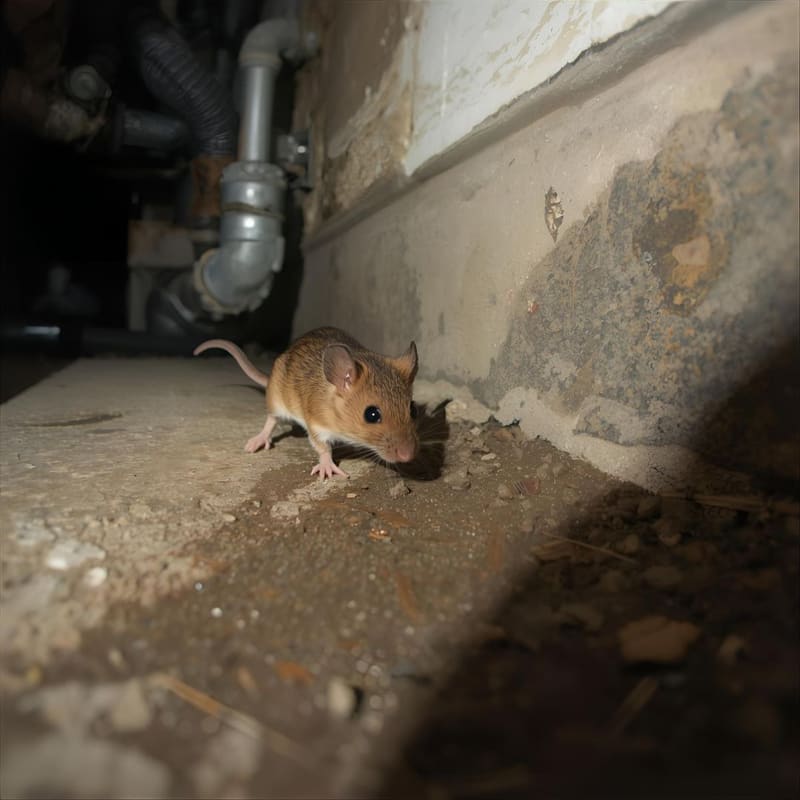
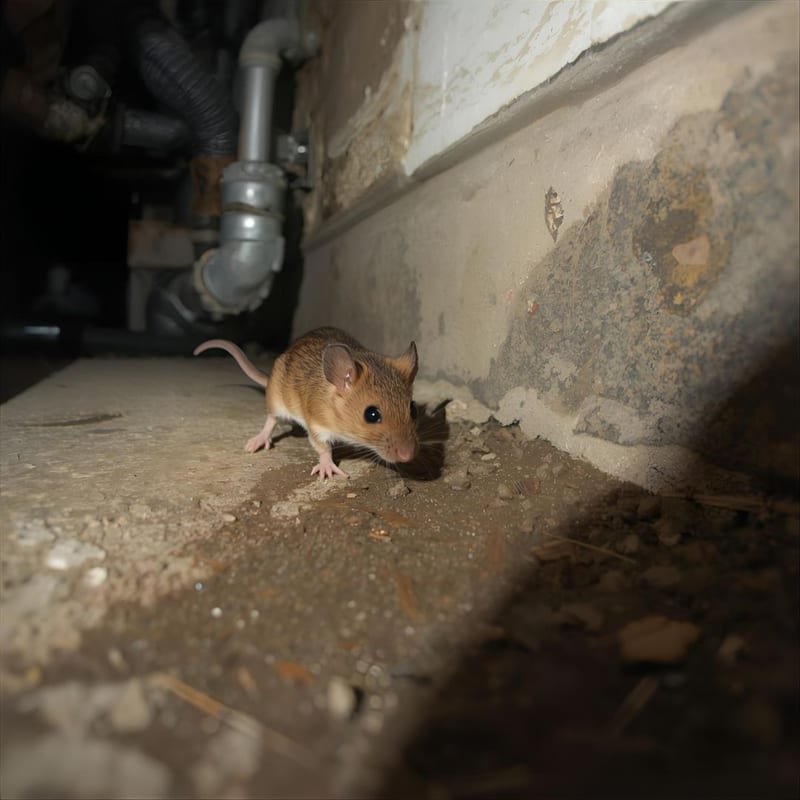
Damp or wet crawl spaces are perfect homes for insects, rodents and other critters. This area underneath your home can be extremely unhealthy, destructive and dangerous. Your wet crawl space can also act as a breeding ground for mold and mildew growth. Mold spreads easily throughout your home when it begins in your crawl space. Mold, as well as wood rot, can negatively affect your home’s indoor air quality. That’s why it’s important to take care of crawl space moisture problems as soon as you notice them.
Why is there mold in my crawl space?
+
Mold is a result of excessive moisture in the crawl space of your home. It’s very important that you take care of a moldy crawl space problem as soon as you notice that something is wrong. If left untreated, mold can cause a number of problems for the structural integrity of your home, as well as your family’s health. If you don’t repair your foundation, water will eventually seep in. This causes an assortment of additional problems for the structural integrity of your home.
How do I know if my crawl space needs repair?
+
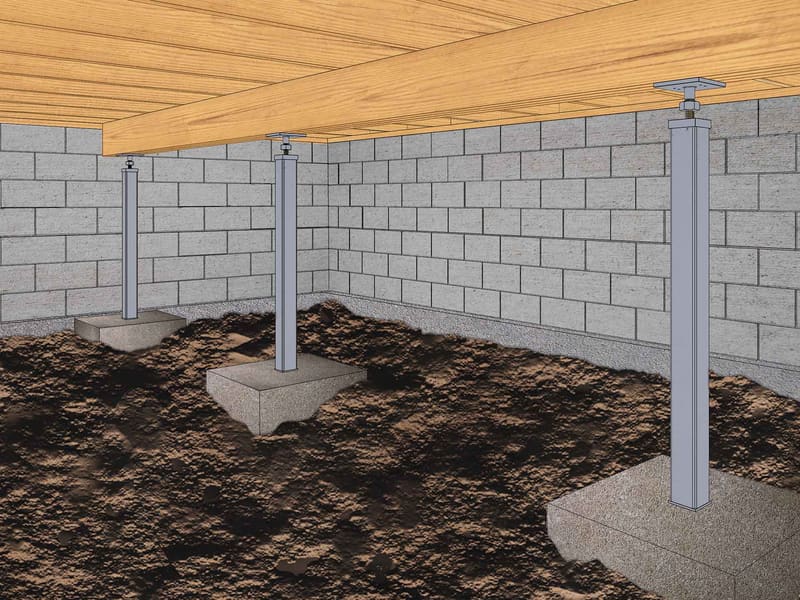
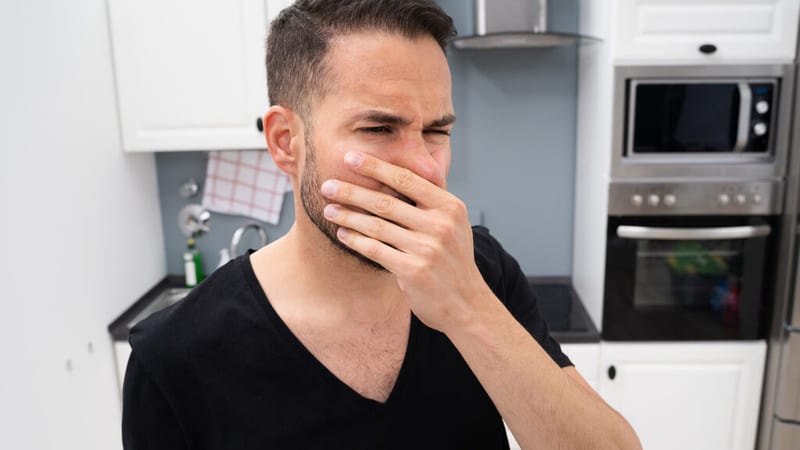
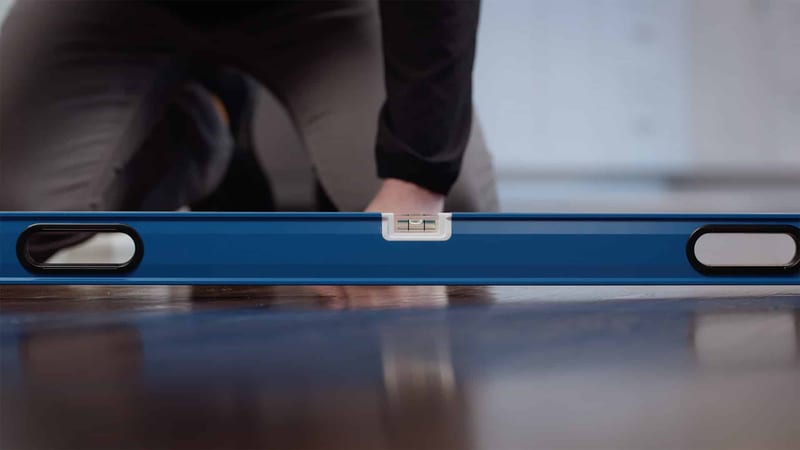
Look for signs like sagging subflooring, musty smells, mold growth, high humidity, standing water, or visible rot on floor joists and beams. These often show up first in closets or laundry rooms above the crawl space. All of these issues point to possible structural or moisture problems below.
Is my crawl space really able to affect my home's air quality?
+
The crawl space has an integral role towards a home's overall indoor air quality. Many homeowners don't think twice about their crawl space, unless it starts leaking or growing mold. Research shows that nearly 50% of the air in your home has circulated up from your crawl space. This means that if you have a moldy crawl space, you're breathing in air containing mold spores. Mold can cause allergies, fevers, headaches, flu-like symptoms and a variety of other health issues. Anchored Walls' foundation repair services are based on each individual job, depending on the severity. To receive an estimate, please call us at 888-662-3363.
Why is crawl space waterproofing important?
+
Crawl space waterproofing stops ground moisture and pipe condensation from damaging your home’s structure and air quality. Without it, damp air rises—potentially feeding mold and mildew throughout your house. A well-sealed crawl space also helps reduce energy loss and keeps pests from nesting under your floors.
What does crawl space encapsulation include?
+
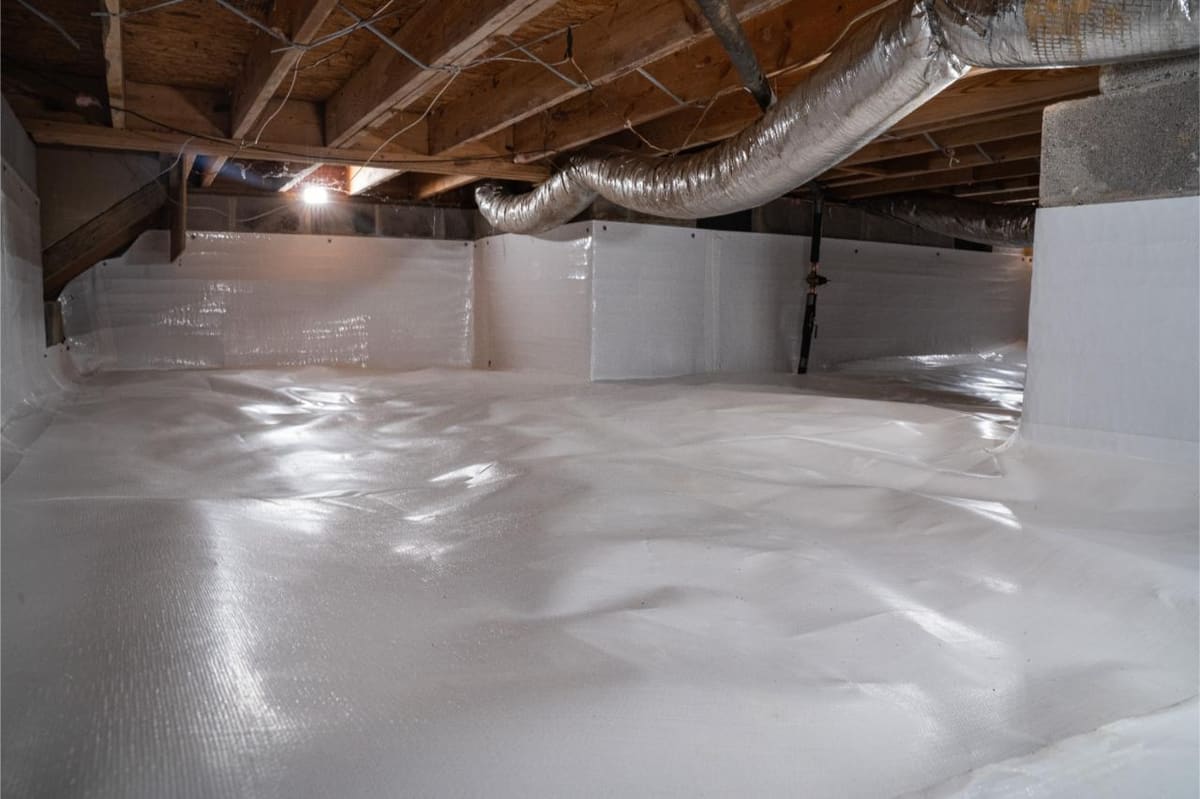
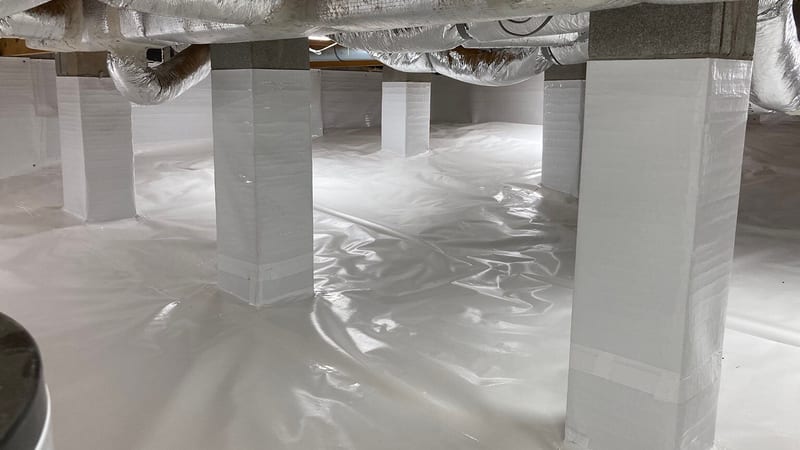
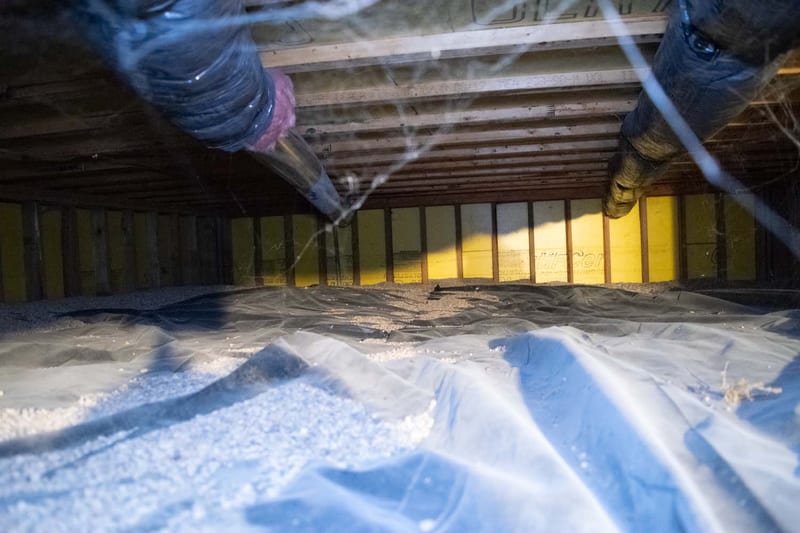
Encapsulation typically involves installing a durable vapor barrier across the floor and walls, sealing off vents, and sometimes adding a dehumidifier or perimeter drain. The goal is to create a dry, insulated envelope that protects your foundation and improves comfort and efficiency.
Should I install a dehumidifier in my crawl space?
+
Yes, especially if humidity regularly exceeds 65%. A dehumidifier controls moisture that vapor barriers and drainage systems miss. Maintaining proper humidity prevents mold, rot, and musty smells, and helps protect HVAC ductwork and insulation in the crawl space.
How long does crawl space work take?
+
A standard crawl space encapsulation can often be completed within 2–4 days, depending on site conditions. If structural repairs or drainage systems are required, the project may extend longer. We always walk you through the timeline before work begins, so you know exactly what to expect.
How much does crawl space repair cost?
+
According to HomeAdvisor, crawl space repairs typically range from $4,500 to $8,000, with most homeowners spending around $6,000. Costs depend on the size of your space, the extent of moisture or structural damage, and whether additional systems, like drainage or encapsulation, are needed. We’ll walk you through every option and provide a clear, customized estimate before any work begins.