
Lifetime transferable warranty
Protection that stays with the home, including when ownership changes. See the written warranty for covered work.

Serving Des Moines, Ames
& nearby Iowa communities.

If you wrinkle your nose every time you open the basement door, you are not imagining it. A damp, stale, or earthy odor usually means moisture has found a way into the space below your main floor. It might be a little stronger after a hard rain, or it might hit you the second you step off the stairs, but either way, your home is telling you something is off.
Basements and crawl spaces around our Iowa service area see a lot of moisture changes through the year. Spring rains, snowmelt, and summer humidity can all leave their mark on concrete, wood, insulation, and anything stored down there. When those materials stay damp, they start to break down and can grow mold or mildew, and that is where the smell comes from.
A basement does not have to smell that way. When the source of the moisture is found and dealt with, the air under the house can clear up, too. That is the goal when Anchored Walls comes out: not to cover the odor with a product, but to figure out why it keeps coming back.
4.9 / 5 from 286 Google reviews.
Anchored Walls techs, Zach and Kyle, came ready to work!!! They added 9 anchors to 2 of my basement walls to stabilize them. Those 2 men worked hard! I have attached 2 pictures, the first shows shovels over the holes so no one would fall in, and the finished yard. You cannot tell where the holes had been. Both men also added waterproofing to my basement floor. If Zach and Kyle are an example of what to expect when you hire Anchored Walls, then the company gets 5 stars from me. Great work Zach and Kyle !!! * * * * *

Lack of clean drop cloth to cover for the floors was the only problem. Every thing was great.

An addition at the rear of our house settled due to inadequate concrete footings. Anchored walls came and installed metal rods 12 to 15 feet deep in the ground to level and stabilize the room. Other contractors' approach was way more intrusive - removing windows and flooring to get access. Anchored Walls did all the work from outside.

The crew arrived at about 8:00 a.m. to stabilize my garage wall, which they thought would take about a half day. They ran into unexpected problems under my garage floor and although it was extremely warm, they continued and finished the job at 8 p.m. Even with that they had cleaned up before they left. They did a great job and I appreciated that they were willing to finish as I had arranged for another crew to come to build a deck in that area the next day. That is dedication. Thank you Anchored Walls! K.S.

Roger was honest and engaged with finding out the source of my concern. Very trustworthy never felt like I was being told I needed something I did not. Office Deb, fabulous with a great sense of humor. Supportive and helpful

That musty, earthy smell almost always starts with water getting where it shouldn’t. In our part of our Iowa service area, basements and crawl spaces go through wet springs, freeze–thaw cycles, and humid summers. All of that takes a toll on concrete and on the soil around your foundation.
Sometimes the problem is obvious, like water on the floor after a heavy rain or a damp line along the base of the wall. Other times it is quieter. Groundwater can seep in through small cracks, cold joints, or porous concrete. Humid air can drift in, cool down against the walls, and leave a film of moisture behind. In a crawl space, exposed soil, open vents, or thin plastic sheeting can all let damp air rise up into the framing.
Over time, that moisture soaks into wood, insulation, drywall, and anything stored in the basement. Once those materials stay damp, they start to support mold and mildew, and the smell settles in. When Anchored Walls comes out to look at a musty basement or crawl space, the first job is to find how the water or humidity is getting in, not just where the odor happens to be strongest.
A “basement smell” is easy to live with for a while, but it rarely stays a simple annoyance. The same damp conditions that cause the odor can quietly work against your home and your comfort. When you put it off, you risk:
Anchored Walls looks at musty and earthy smells as a warning that your basement or crawl space needs attention. When we inspect a home, the goal is to find what is feeding that moisture and put a plan in place to dry the space out so it does not keep coming back.
When you tell us your basement or crawl space smells musty, we do not start by recommending a product. We start by looking for why that smell showed up in the first place.
A technician from Anchored Walls will walk through the areas that concern you, then spend time in the basement or crawl space itself. They look at the foundation walls and floor, check for staining or active leaks, pay attention to humidity, and note how air is moving through the space. Sometimes the issue is obvious, like water coming in along a crack after rain. Other times, it takes a little more digging to find the combination of moisture and materials that is feeding the odor.
Once we know what is going on, we talk you through the options. Depending on what we find, that might include basement waterproofing to manage seepage, repairs to cracks or wall problems, or crawl space moisture control to keep damp air and ground moisture from building up. The goal is to give you a clear picture of what is causing the smell and what it will take to dry the space out instead of just covering it up.
If there is a musty or earthy smell coming up from your basement or crawl space, it is usually a sign that water or humidity has already been at work for a while. The sooner someone you trust looks at it, the easier it is to get ahead of the damage.
Anchored Walls has been inspecting and repairing basements and crawl spaces across our Iowa service area since 1978. When you schedule a free inspection, a trained technician will look for the real source of the moisture, explain what they find, and outline repair options that fit your home and budget. Qualifying work is backed by our Lifetime transferable warranty and Money-Back Guarantee, so you know our work is built to last.
If you are tired of that basement smell hanging around your home, contact Anchored Walls today to set up your free inspection and estimate.
Helping Iowa homeowners since 1978.
A repair plan built around your home.
Start with a free inspection. We explain what we find and put the recommended work in writing, so you can make an informed decision.
“Anchored walls did a great job on my crawlspace encapsulation job. We did have some pretty big communication issues, but thankfully after working with them we got everything sorted out and resolved. You can see the difference for yourself.”

Protection that stays with the home, including when ownership changes. See the written warranty for covered work.
Your money is never at risk. We stand behind our work with a written money-back guarantee.
A clear plan, respectful crews, and a commitment to the experience as well as the repair.
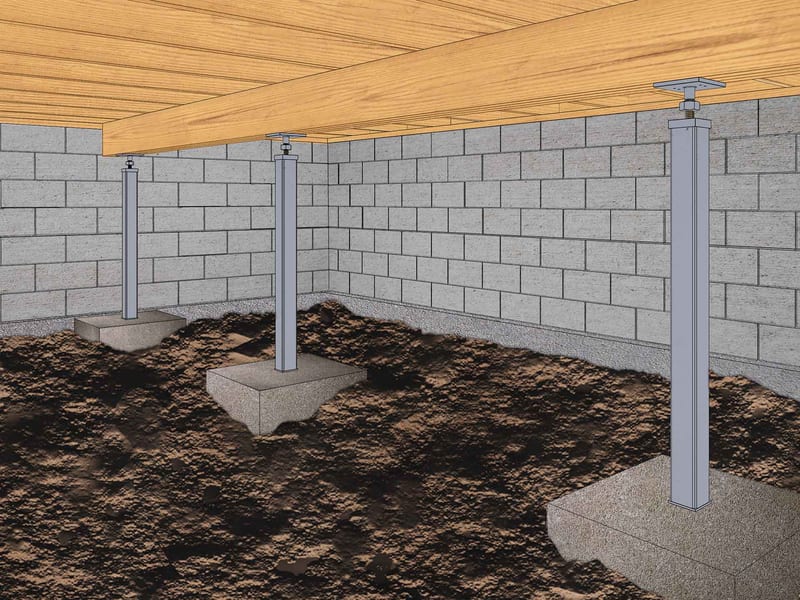
When the support beams beneath your floors begin to sag or settle, the result is a visible and sometimes hazardous shift in your home’s stability.
Explore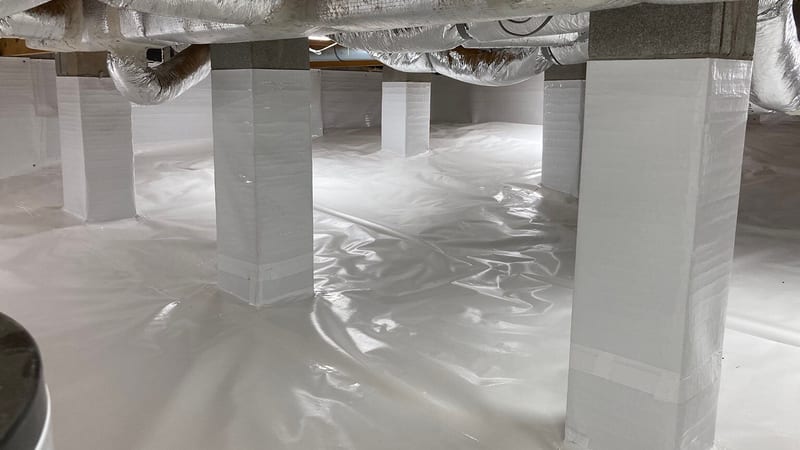
If your crawl space feels damp or smells musty, it could be allowing moisture and mold to circulate into the air you breathe upstairs.
Explore
As temperatures drop in Iowa, we start sealing up our homes, shutting windows, running the heat, and preparing for the cold months ahead.
Explore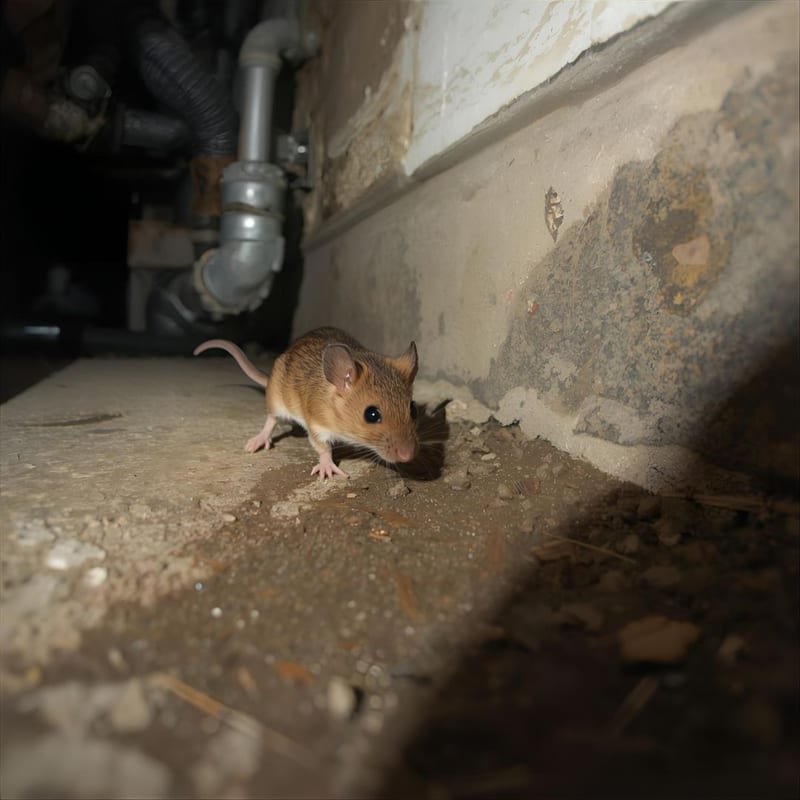
If you’re seeing signs of bugs or rodents in your crawl space, it’s more than a nuisance; it’s a warning.
ExploreFrom our Winterset location, we serve Des Moines, Ankeny, Waukee, Johnston, Urbandale, Clive, Ames, and surrounding communities. Check your ZIP for service at your address.
Highlighted counties contain service ZIP codes. Coverage varies within each county; check your ZIP and confirm your address when scheduling.