
Lifetime transferable warranty
Protection that stays with the home, including when ownership changes. See the written warranty for covered work.

Serving Des Moines, Ames
& nearby Iowa communities.
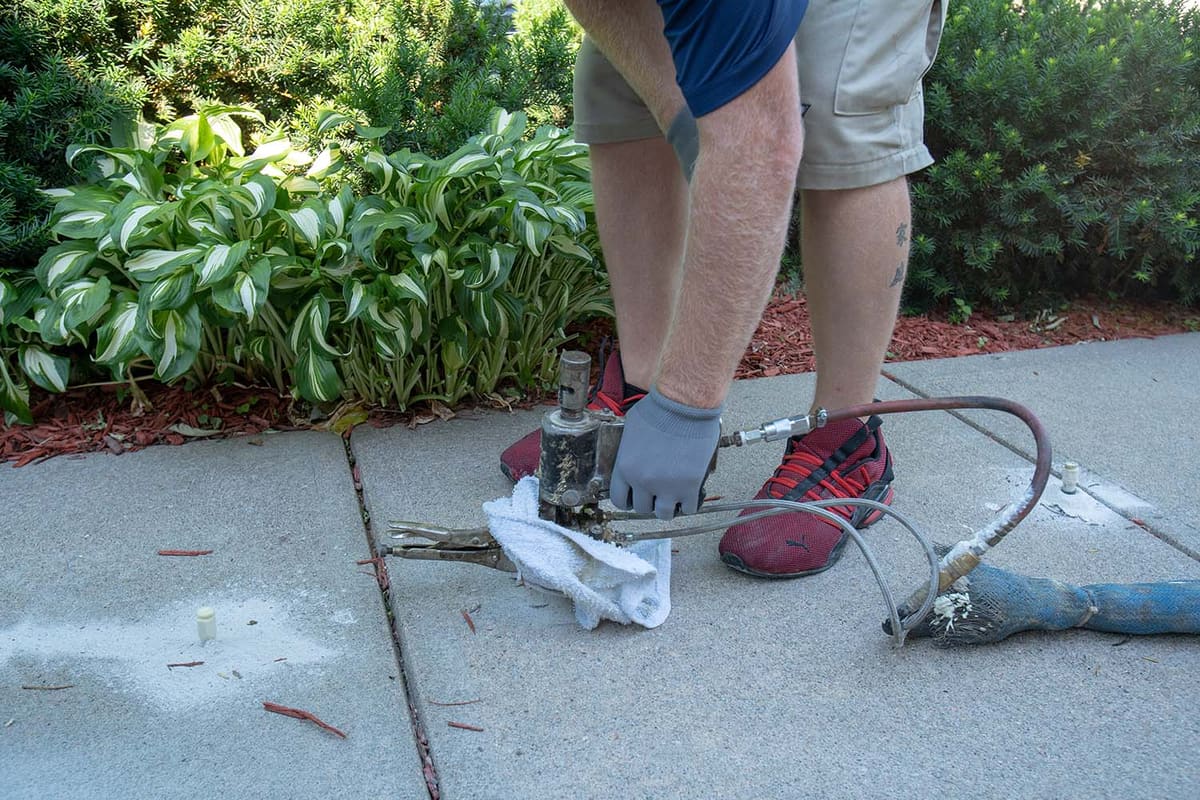
When concrete starts to sink around your home, whether it’s the front walk, the driveway, or part of your foundation, it’s a sign that something underneath has shifted.

When concrete starts to sink around your home, whether it’s the front walk, the driveway, or part of your foundation, it’s a sign that something underneath has shifted. It might be poor soil conditions, water erosion, or the effects of time. Whatever the cause, uneven concrete can lead to bigger problems if it’s not addressed quickly.
Most homeowners who research repair options come across two common solutions: mudjacking and polyurethane foam lifting. Both are designed to raise sunken slabs, but the way they work and how long they hold up are two very different stories.
At Anchored Walls, we’ve been lifting and stabilizing concrete for over 40 years. We’ve used both methods in the field, and today we rely on polyurethane foam because it consistently provides stronger, longer-lasting results for our customers.
In this comparison, we’ll break down the pros and cons of each method so you can make a well-informed decision for your home.
Mudjacking is a traditional concrete repair method that’s been used for decades. The process involves drilling several large holes, usually about 1 to 2 inches in diameter, into the surface of the sunken slab. A thick mixture of water, dirt, and cement is then pumped through those holes to fill the void beneath and lift the concrete back into place.
While this method can offer a temporary fix, it comes with drawbacks. The material used is heavy, up to 100 pounds per cubic foot, and that added weight can put stress on already weak soils. If water gets under the slab again, the mixture may wash out or settle, bringing the problem right back.
We’ve used mudjacking in the past, but over the years, we’ve seen its limitations in areas with poor drainage or expansive soils.
Polyurethane foam lifting, sometimes called polyjacking, is a modern approach to concrete repair that uses lightweight, expanding foam instead of heavy slurry. The process begins by drilling small holes into the slab, usually no larger than a dime. Then, a specialized polyurethane foam is injected beneath the concrete. As it expands, it fills the gaps and gently raises the slab back to its proper position.
What makes this method different is its precision and long-term stability. The foam weighs only a few pounds per cubic foot, so it doesn’t add pressure to unstable soil. It also cures quickly, often in less than 30 minutes, and it’s water-resistant, which helps prevent future erosion.
We use polyurethane foam lifting because it works. It solves the problem at the root and holds up through the kinds of soil and moisture conditions we see across our Iowa service area.
Mudjacking may have been the go-to solution in the past, but polyurethane foam lifting has quickly become the preferred choice for a reason. It’s cleaner, more precise, and it holds up better in areas like our Iowa service area, where soil conditions and moisture can change fast.
At Anchored Walls, we’ve spent decades helping homeowners fix uneven concrete. We’ve seen how traditional methods can fall short over time. That’s why we’ve moved to polyurethane foam. It not only lifts the slab; it provides lasting support without adding weight or requiring messy cleanup.
If you’re looking for a repair that’s fast, reliable, and built to last, polyurethane foam is the better option.
If your concrete is sinking or starting to crack, don’t wait for it to get worse. Whether it’s your driveway, sidewalk, or garage floor, our team at Anchored Walls is here to help.
We’ve been lifting concrete across our Iowa service area for more than 40 years, and today, we use polyurethane foam because it delivers lasting results. The process is fast, the repair is clean, and the fix is built to stay put.
Schedule a free estimate today. We’ll take a look, explain your options, and help you decide the best way to restore your concrete with confidence.
Both methods aim to lift concrete, but they do it in very different ways, with very different outcomes. Here’s how mudjacking and polyurethane foam lifting compare in key areas that matter to long-term performance and peace of mind:
4.9 / 5 from 286 Google reviews.
Gabe & Taxson did a wonderful job of waterproofing our basement. They worked so hard chiseling concrete, carrying it up the stairs in buckets, then carrying rock and replacement cement down the stairs to fill in the dug up places, but most of all, they cleaned up the mess! Kip McMillen from United Services recommended this company to do our job. We would recommend this company for any job that you may have.

We worked with Brad to level the concrete slabs on our driveway and patio, and the results are fantastic—everything is perfectly level and we couldn’t be happier with the quality of his work. What really sets Brad apart, though, is his character and willingness to go the extra mile. While I was out of town, our family car battery died right before my family was supposed to leave for vacation. Brad didn’t hesitate—he went to the auto parts store, picked up a new battery, and installed it so they could get on the road in time. That kind of kindness and effort goes far beyond what you’d ever expect, and it meant so much to us. Truly excellent work and an even better person. Thank you.

Anchored Walls of Winterset stabilized our Basement walls, leveled our driveway, and found an incredible and invisible solution to our 25 year sump pump drain exit. Matt Clayton was consistently kind and patient. He nailed our estimate and was Readily available for questions before, during, and after the project. Debbie was quick, responsive, and friendly to give us speedy and accurate answers to many questions. Finally, Brad was the man who finally solved our 25 year sump pump problem. He was super respectful with my wife, and somehow installed 30 foot of PVC into our yard, leaving zero evidence. You're work is amazing and we are more thankful for you than we can express! All this to say, we strongly recommend and refer Anchored Walls of Winterset. Great job and God bless you for your Efforts.

Anchored Walls revently completed work on our driveway. It was 13 years old and the expansion joints adjacent to the garage, front sidewalk and the foot of it near the street have erroded and water was entering underneath. We were concerned about freeze-thaw damage. The AW team presented the most complete and best estimate. A few days later Zack arrived and did the work in 1/2 day. It was a fantastic job and looks great. He was courteous and very personable. 5-star recommendations all around.

They did a good job lifting our steps. Good price too

Helping Iowa homeowners since 1978.
A repair plan built around your home.
Start with a free inspection. We explain what we find and put the recommended work in writing, so you can make an informed decision.
“We worked with Brad to level the concrete slabs on our driveway and patio, and the results are fantastic—everything is perfectly level and we couldn’t be happier with the quality of his work. What really sets Brad apart, though, is his character and willingness to go the extra mile. While I was out of town, our family…”
Protection that stays with the home, including when ownership changes. See the written warranty for covered work.
Your money is never at risk. We stand behind our work with a written money-back guarantee.
A clear plan, respectful crews, and a commitment to the experience as well as the repair.
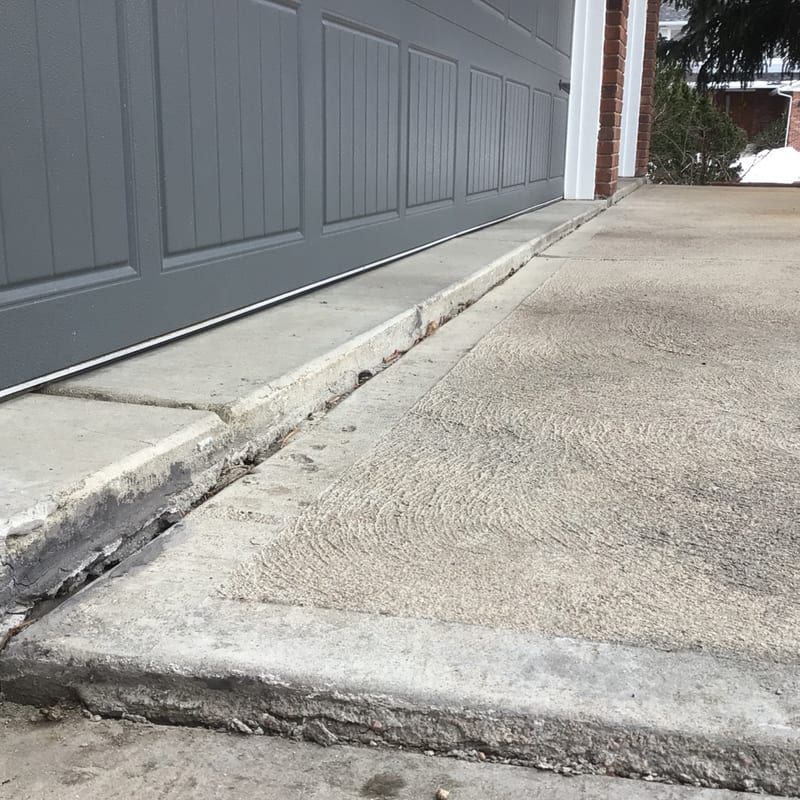
Using advanced polyurethane injection technology, we raise sunken concrete slabs back to a safe, level position, often in just a few hours.
Explore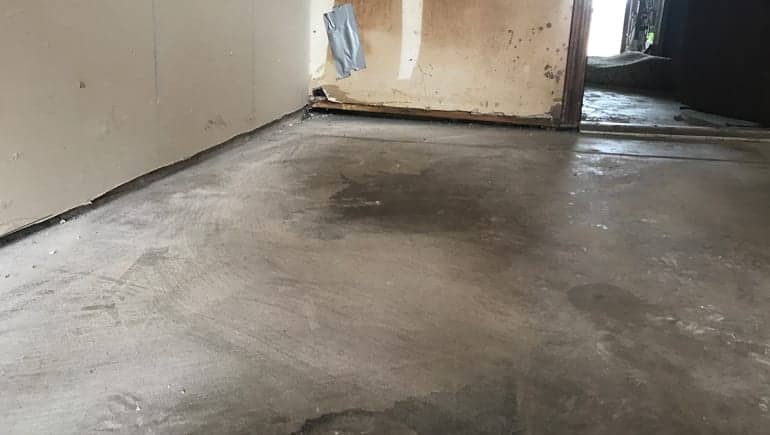
At Anchored Walls, we use advanced polyurethane injection techniques to lift and re-level basement floors quickly and cleanly.
Explore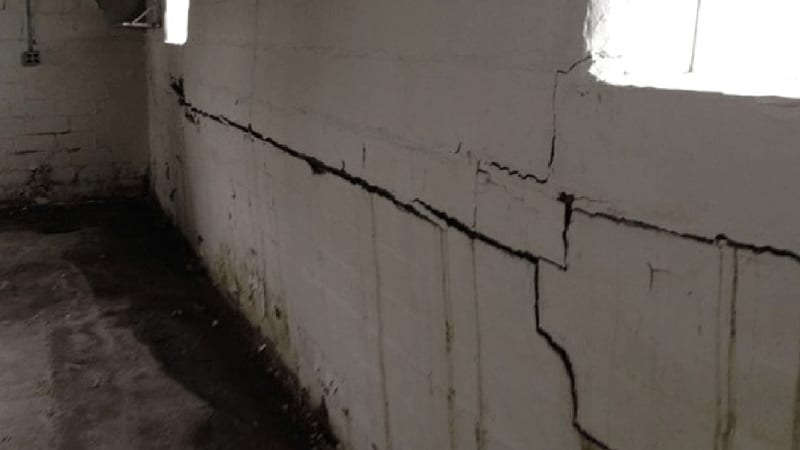
In our Iowa service area, winter doesn’t just bring snow and ice.
Explore
Uneven concrete might seem like a cosmetic issue at first, but it poses a serious risk to your safety and your property value.
ExploreFrom our Winterset location, we serve Des Moines, Ankeny, Waukee, Johnston, Urbandale, Clive, Ames, and surrounding communities. Check your ZIP for service at your address.
Highlighted counties contain service ZIP codes. Coverage varies within each county; check your ZIP and confirm your address when scheduling.